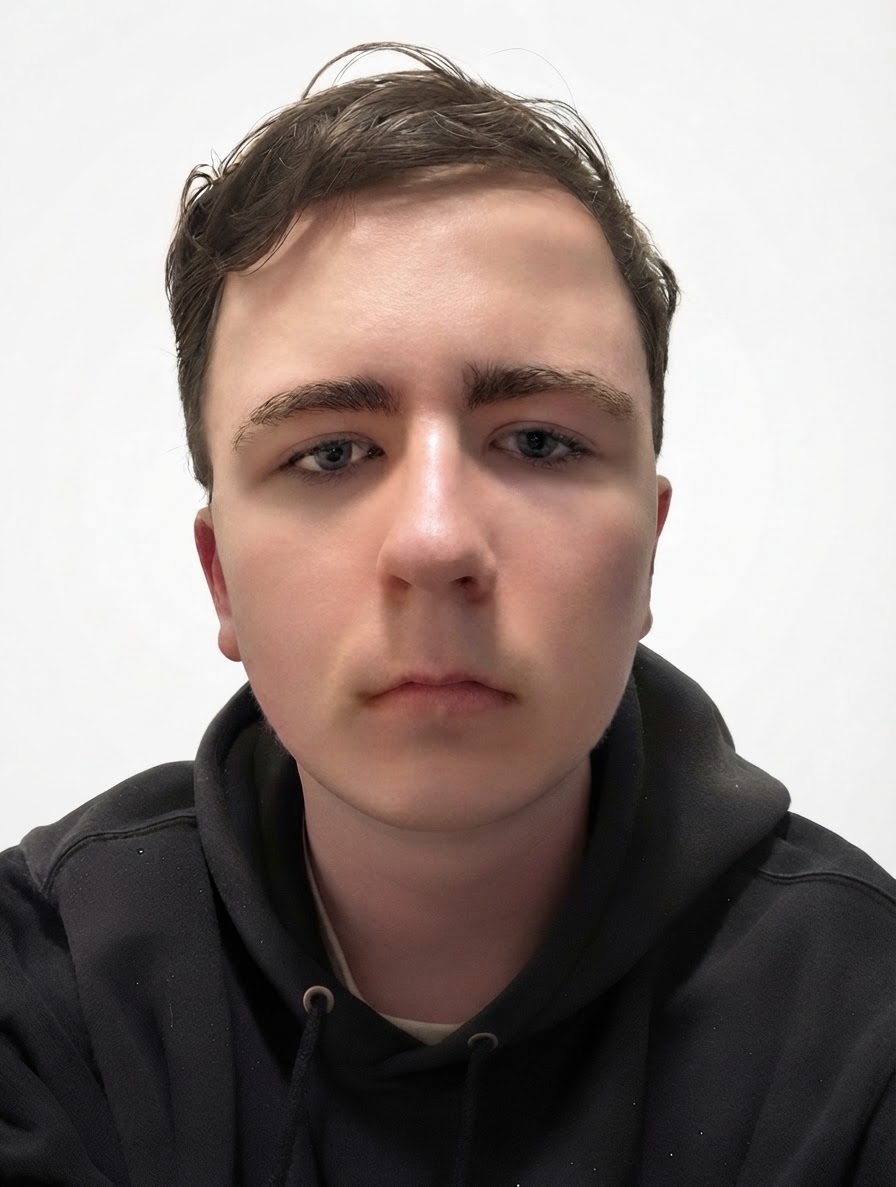
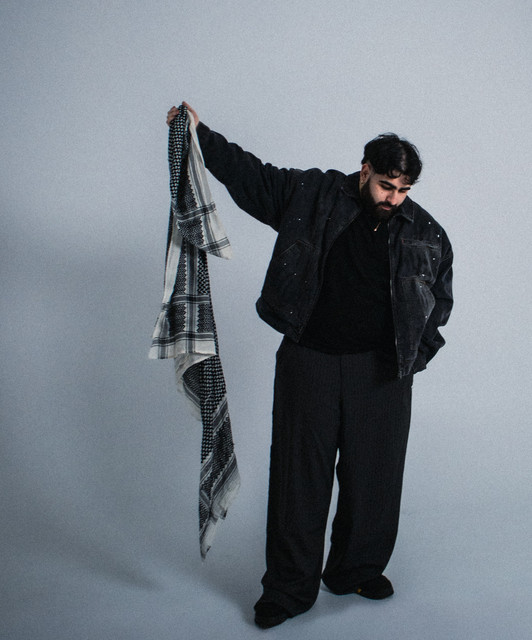
Fat Papi’s rise can look almost impossibly fast. In May, “Freaked Out” arrived to limited attention. By August, the record had entered the US Billboard Hot 100, pushed his Spotify audience into the millions and turned a 22-year-old artist from Auckland into one of 2026’s most unexpected rap stories. That is the headline. His interviews reveal a more useful story underneath it.
This article is a digest of Fat Papi’s conversations with The Guardian and GQ Middle East, not a new TheRapReporter interview. His comments are paraphrased here so the meaning stays clear, while the original reporting is linked below.
1. His Kurdish-Kiwi identity is the foundation, not an accessory
Fat Papi was born Baban Hussain in Auckland to parents from Iraqi Kurdistan. He told GQ Middle East that one of his original goals was to represent both New Zealand and Kurdistan—communities he felt were rarely shown through success stories in Western media. The chart breakthrough gave that intention a much larger stage.
The Guardian reported that Hussain became the first Kurdish artist to reach the US Hot 100 and only the second New Zealand rapper to do so. Those milestones matter because representation can feel abstract until an artist’s name appears in a place where people from that background have rarely been visible. For Fat Papi, “Freaked Out” is not only a viral song; it is evidence that his two homes can belong inside the same global story.
2. Confidence was a skill he had to practise
Hussain initially leaned toward beatmaking because rapping publicly made him feel exposed. In his GQ interview, he described being nervous about looking different or being seen trying too hard. His conclusion was refreshingly ordinary: confidence came from continuing to put himself on camera and continuing to record.
That detail gives the breakout some human scale. The artist now appearing on major charts did not begin as a fully formed, fearless personality. He became more comfortable through repetition. For emerging musicians, that may be the most practical lesson in the entire story: presentation is not something everyone naturally has. It can be trained.
3. The partnership with Prodshushy began with a simple message
Australian-based producer Owen Omen, known as Prodshushy, had roughly 20,000 followers when Hussain—who said he had about 800—rapped over one of his beats and sent the result back. Hussain did not expect a reply. Omen liked what he heard, and the pair quickly developed what they described as an unusually easy creative rhythm.
“Freaked Out” itself came together quickly, with Fat Papi using punch-in freestyling over Prodshushy’s bright, jutting synth production. They worked across the Tasman and did not meet in person until July, after their collaboration was already moving. It is a very 2026 origin story, but the important part is timeless: one artist took a respectful chance, and the other listened.
4. Virality was the spark, not the entire fire
The song initially performed poorly. Prodshushy then posted a short dance edit that gathered about 1.5 million views. Soon after, UK creator Jocelyn Meiere—known online as Miss Diva Bob—used the track in a bob-haircut video for her large TikTok audience. The format spread, with artists including Raye and Megan Thee Stallion joining the wider trend.
Fat Papi has been unusually direct about crediting Meiere, even when some followers argued that she received too much attention. That generosity makes his account feel more believable, not less. He recognises that a creator helped change the song’s path, while the finished record, the production and the artists behind it gave people something worth repeating.
5. A first hit opens the door; it does not build the whole house
The pair have management and recording arrangements, more music prepared and Australian festival dates scheduled for December. They have also spoken about larger ambitions, including major collaborations and international stages. None of that guarantees a second hit, and both artists appear to understand the difference between an open door and a permanent career.
Fat Papi told The Guardian that turning the moment into something lasting would require sustained work. That is the right note to end on. “Freaked Out” gave him attention at a scale few emerging artists ever receive. What comes next—better songs, stronger performances, smart collaborations and a catalogue with emotional range—will decide whether listeners remain after the haircut trend moves on.
The appeal of Fat Papi’s story is not that an algorithm randomly selected a winner. It is that identity, insecurity, collaboration, gratitude and timing all collided around a song with a recognisable sound. The numbers are impressive. The person learning how to live behind those numbers is more interesting.

No comments yet. Start a thoughtful discussion.