
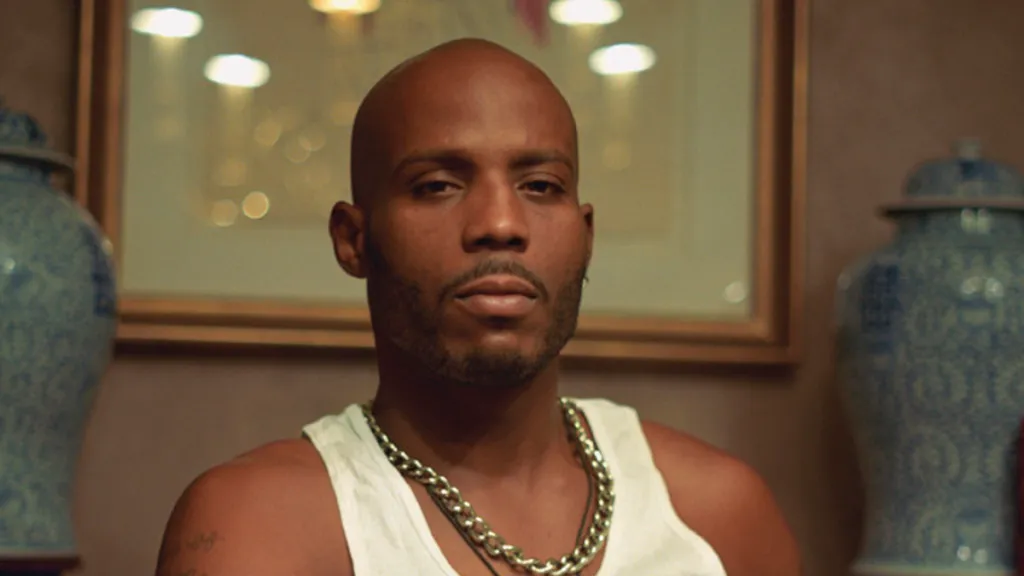
A new legal dispute is placing DMX’s unreleased recordings—and the difficult question of who controls an artist’s archive—back in the spotlight.
Billboard reported on August 26 that the estate of Earl Simmons, known worldwide as DMX, is fighting claims made by the late rapper’s longtime friend and collaborator DJ Superior involving unreleased songs and copyright ownership. The matter is developing, and no final ruling has been reported.
The safest way to understand the story is to separate three ideas that are often blended together online: possessing an old recording, owning the copyright in the recorded performance and owning the underlying song. Those rights can belong to different people or companies, and having a tape or digital file does not automatically settle who may commercially release it.
Why DJ Superior’s archive matters
DJ Superior has publicly described a long history with DMX dating back to their youth in Yonkers. A 2024 presentation called The Rise of Dark Man X featured unreleased interviews, performance footage, demos and songs said to have been captured between 1987 and 1999.
That history makes the archive culturally valuable. Early recordings can document how a major artist developed a voice, tested ideas and built relationships before fame. For fans and historians, that material can fill gaps left by finished albums. For estates, labels and collaborators, the same recordings can also carry substantial commercial value.
None of that history, by itself, resolves ownership. Copyright questions usually depend on details such as who wrote a song, who financed or directed a recording, what agreements existed, whether rights were transferred and which version of a work is being discussed. Those are questions for evidence and legal interpretation rather than fan opinion.
The estate’s earlier ownership victory
The current report follows a separate 2025 case in which a New York judge ruled that DMX’s estate owned the intellectual-property rights DMX held at the time of his death, subject to specific written exceptions. That earlier dispute involved claims from his former wife, Tashera Simmons, and is not the same disagreement now reported with DJ Superior.
The distinction matters. A ruling confirming what belonged to DMX’s estate does not necessarily answer every possible claim concerning a particular early demo, master recording or composition. Each disputed work may have its own history and paperwork.
The 2025 decision nevertheless gives useful context: the estate has already defended its position as the central owner and administrator of DMX-related intellectual property. The newest dispute tests how that position interacts with material held or claimed by a collaborator who says he was present during DMX’s formative years.
Why posthumous releases require care
Unreleased music creates a difficult balance. Fans often want to hear everything an artist left behind, but a recording may have remained unreleased because it was unfinished, private, rejected or never cleared. Releasing it can preserve history; it can also present work without the artist’s final approval.
A responsible posthumous project therefore needs more than an audio file. It needs clear authority, accurate credits, transparent context and production choices that do not falsely imply the artist approved a finished release. When several parties claim an interest, releasing material before those questions are settled can create further disputes and confusion for listeners.
DMX’s catalogue carries unusual weight. His first five studio albums debuted at No. 1 on the Billboard 200, and his voice, delivery and emotional directness influenced generations of rappers. That makes stewardship of his archive more than a private business issue: decisions about unreleased work can shape how future listeners understand his career.
For now, the important fact is limited but significant. Billboard has reported an active dispute between DMX’s estate and DJ Superior over unreleased material and claimed rights. Until a court rules or the parties reach an agreement, claims from either side should not be presented as a final determination of ownership.


No comments yet. Start a thoughtful discussion.