
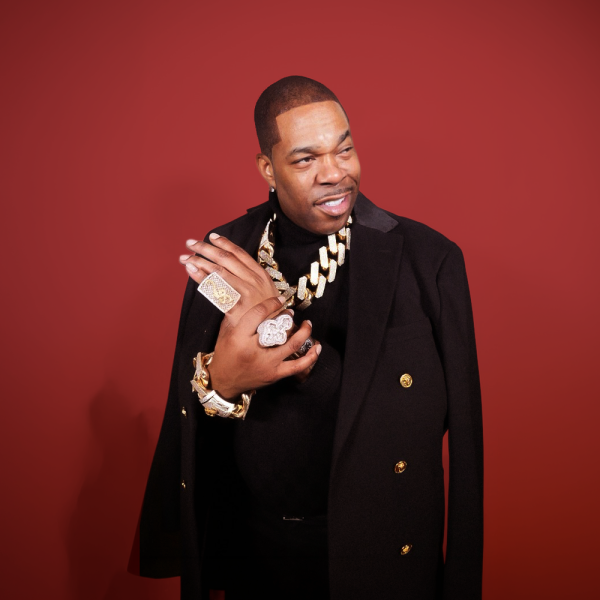
Busta Rhymes has always sounded comfortable inside difficult rhythms. On Dillagence II, that gift becomes the centre of a 19-track tribute to his creative relationship with the late Detroit producer J Dilla. The album follows their 2007 mixtape without trying to recreate the exact conditions that made it. Instead, it asks how older recordings, family participation and new performances can form a coherent contemporary record.
The chemistry remains the main event
Dilla’s drums rarely behave like a perfectly straight grid. Their push, drag and carefully uneven accents leave gaps that demand an alert rapper. Busta responds by changing pace, shortening phrases and treating the beat as a conversation. The strongest performances do not simply display speed; they show control, with emphasis landing where a more predictable delivery would miss.
A posthumous project with visible care
Any album built around a late artist’s archive raises questions about permission, intention and completion. Here, the involvement of Dilla’s mother Ma Dukes and Busta’s long connection to the producer give the project a stronger foundation than an opportunistic compilation. The emotional framing matters because it explains why these recordings are being assembled now and who is helping shape the result.
Guests widen the bridge
Lil Wayne and other collaborators connect Dilla’s influence to artists and audiences beyond the original mixtape era. The appearances work best when they respond to the production instead of treating it as generic nostalgia. That makes the album feel like a network of living relationships: Detroit innovation, New York performance tradition and later generations hearing fresh possibilities in the same rhythmic language.
Where the length becomes a challenge
Nineteen tracks allow the project to show range, but the same scale can soften its impact. Some transitions feel more archival than dramatic, and not every idea needs equal space. A shorter sequence might have produced a sharper first listen. Still, the unevenness is easier to accept when the project’s purpose is understood as preservation, collaboration and celebration at the same time.
The final word
Dillagence II succeeds because its respect is audible in the performances, not merely stated in the marketing. It is not a replacement for Dilla’s original catalogue or a simple sequel to a beloved tape. It is a carefully assembled argument that unfinished musical relationships can continue ethically when the people closest to the work remain part of the conversation.
How TheRapReporter approached this story
This article is built from named reporting, official charts or primary industry material available when it was prepared. Facts and attributed claims are separated from TheRapReporter’s analysis. Rankings and reviews are editorial judgments, not measurements of an artist’s worth. Where a subject is still developing, the article avoids converting a possibility into a promise.
That distinction matters in a fast news cycle. A viral post can introduce a useful lead, but it is not automatically evidence. Release dates can move, chart totals describe a particular measurement window, and business announcements rarely disclose every contractual detail. Readers should therefore use the linked sources as the starting point for further reading and return for corrections or updates when the underlying record changes.
No comments yet. Start a thoughtful discussion.