
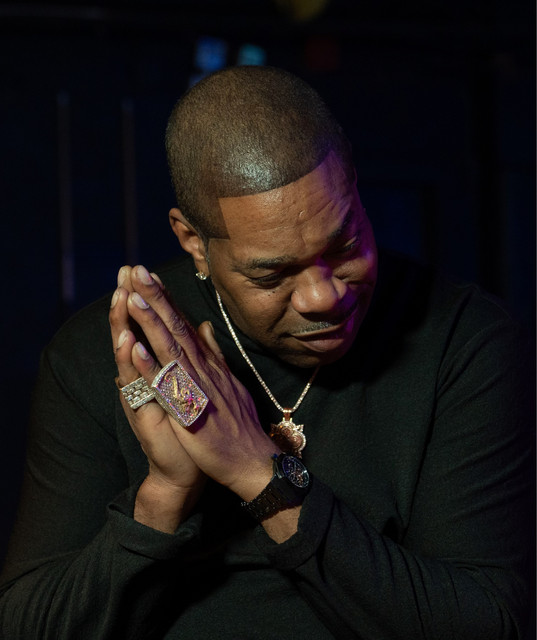
Busta Rhymes has released Dillagence II, returning to the musical partnership he built with the late producer J Dilla nearly two decades after their first full-length collaboration became a favourite among listeners who value technique as much as history.
Billboard reported that the project arrived on August 25 and includes appearances from D’Angelo, Lil Wayne, Ludacris and Big Sean. Apple Music lists the release under Busta Rhymes and J Dilla, making the creative framing clear: this is not simply a modern Busta record with an old beat placed in the sequence. It is being presented as a continuation of a specific rapper-producer relationship.
That relationship matters because their strengths meet in an unusual place. Busta is famous for explosive projection, rapid rhythmic shifts and performances that can make a verse feel physically animated. Dilla’s production often finds movement through smaller details: a drum landing slightly away from expectation, a sample cut that creates tension or a loop that changes meaning through repetition. The combination asks Busta to stay precise without making the music feel rigid.
Why the sequel carries weight
The original Dillagence arrived as a mixtape in 2007, after J Dilla’s death in 2006. Its reputation grew through circulation and word of mouth rather than a conventional album campaign. For many fans, it became proof that Busta understood how to rap inside Dilla’s unpredictable pockets without flattening their personality.
A sequel therefore comes with two responsibilities. It has to work as music in 2026, not only as an exercise in memory. It also has to treat archival production with enough care that Dilla’s name does not become a promotional shortcut. The strongest way to honour a producer is to engage seriously with the beats—to write, arrange and perform as though the material is alive rather than untouchable.
Dillagence II is interesting before any argument about rankings because Busta still sounds willing to meet that challenge. Veteran releases can sometimes depend almost entirely on recognition: familiar guests, familiar stories and production designed to remind listeners of a previous era. This project’s premise demands more active participation. Dilla’s drums leave obvious space, but that space exposes every choice the rapper makes.
The guest list connects generations
The reported guests widen the record without changing its centre. D’Angelo’s appearance carries particular historical weight because his work is closely connected to the same broader Soulquarians era that helped make Dilla’s approach so influential. Ludacris brings another voice associated with technically sharp, highly animated mainstream rap. Lil Wayne and Big Sean connect the project to later generations that absorbed lessons from both Busta and Dilla.
Features alone do not guarantee chemistry, and a respected name cannot replace a strong song. Their value here is contextual. The list shows how far the influence travels: across soul, Southern rap, mixtape culture and the more polished forms of modern commercial hip-hop.
More than an archive release
Posthumous music always raises practical editorial questions. Listeners deserve clarity about what is newly recorded, what comes from archived sessions and how a project was assembled. The currently available reporting establishes the release, its central collaboration and prominent guests, but it does not justify inventing a complete session history for every track.
TheRapReporter will therefore avoid treating assumptions about Dilla’s archive as confirmed production notes. What can be judged is the finished release: how the beats have been sequenced, how Busta responds to them and whether the guests strengthen the conversation.
No comments yet. Start a thoughtful discussion.