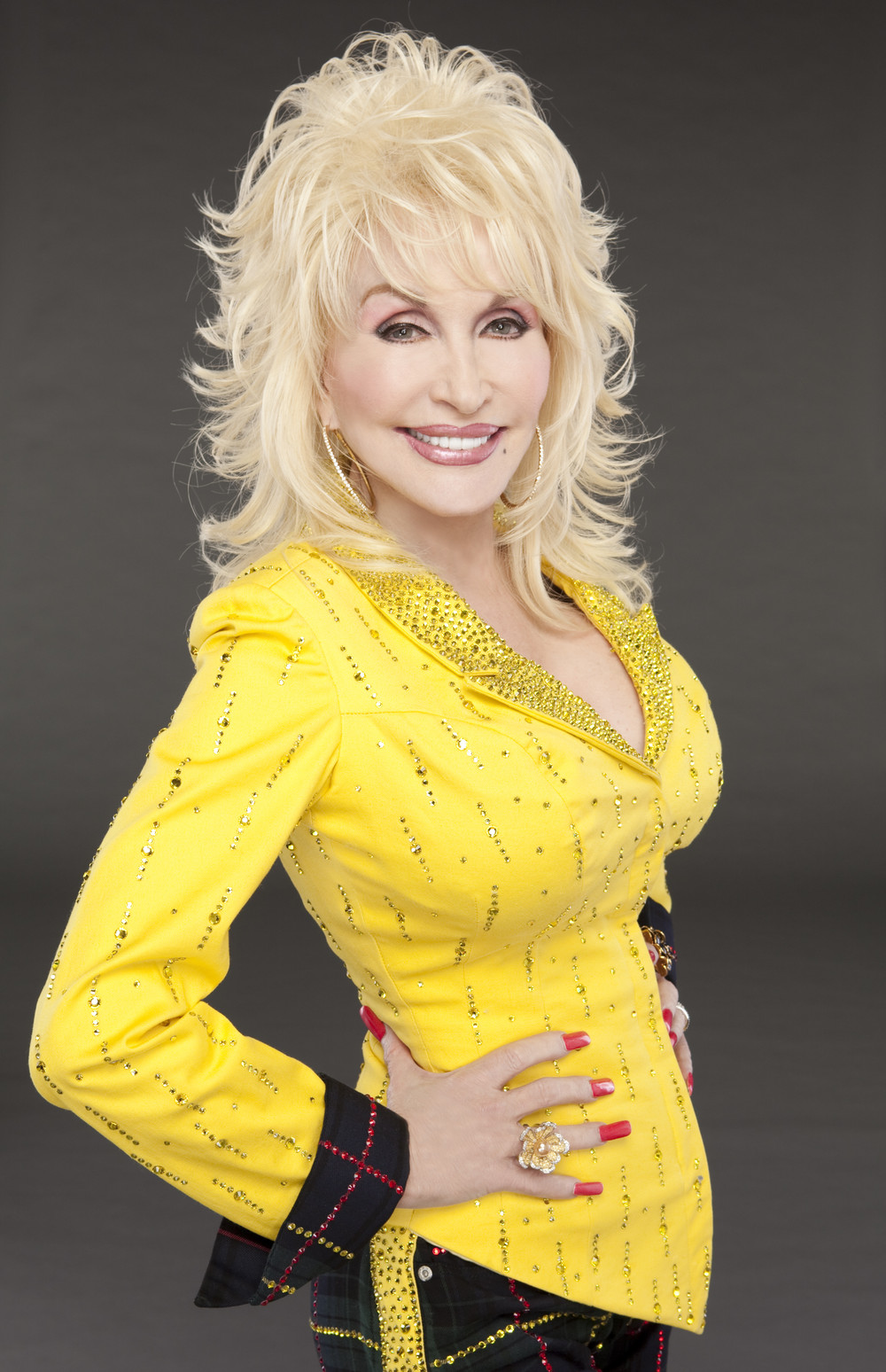
Dolly Parton, the singer, songwriter, actor, businesswoman and philanthropist whose work became part of the fabric of American popular culture, has died at 80.


Her family announced her death on Tuesday, August 25. Reuters reported that her publicist said she died peacefully in Nashville. No cause of death was disclosed in the initial announcement, and TheRapReporter will not speculate beyond what her family and representatives have confirmed.


Parton’s death brings to a close a career that stretched across nearly seven decades, but the scale of her legacy makes a simple genre label feel too small. She was one of country music’s defining voices, a pop crossover star, a Hollywood performer, a songwriter studied by generations of artists and a philanthropist whose literacy work reached children around the world.


A songwriter before everything else


Born on January 19, 1946, Parton grew up as one of 12 children in rural East Tennessee. Music was present early: she sang in church, appeared on local radio as a child and performed at the Grand Ole Opry as a teenager. After finishing high school, she moved to Nashville to pursue songwriting and recording.


Her partnership with singer and television host Porter Wagoner helped introduce her to a national audience, but Parton’s writing became the foundation of her independence. She created an extraordinary catalogue built around precise storytelling, memorable melodies and characters whose emotions felt larger than the settings around them.


Songs including “Jolene,” “Coat of Many Colors,” “9 to 5” and “I Will Always Love You” crossed generations and genres. The last of those became a country standard in Parton’s own recordings before Whitney Houston transformed it into one of pop music’s most recognised vocal performances. That journey is one example of how far Parton’s writing could travel without losing its emotional centre.


Reuters reported that Parton sold more than 100 million records and received 11 Grammy Awards, including a Lifetime Achievement Award. She was inducted into the Country Music Hall of Fame and, after initially questioning whether she belonged there, the Rock & Roll Hall of Fame.


From Nashville to film and business


Parton’s reach extended well beyond recording studios. Her starring role in the 1980 film 9 to 5 showed the same comic timing and directness that audiences already knew from her music. She later appeared in films including Steel Magnolias and The Best Little Whorehouse in Texas, balancing warmth, humour and an instantly recognisable screen presence.


She also built a major business legacy. Dollywood grew into one of Tennessee’s best-known attractions and an important employer in the region where Parton was raised. Her success rarely sounded detached from those roots; she consistently connected her public story to family, work, faith, humour and the communities that shaped her.


A legacy measured in books as well as songs


For millions of families, Parton’s most personal impact came through the Imagination Library. Launched in 1995 in Tennessee, the program expanded internationally and sends free, age-appropriate books to young children. Its reach includes Australia as well as the United States, Canada, the United Kingdom and Ireland.


Her philanthropy also included disaster relief, scholarships, medical support and a $1 million contribution to research at Vanderbilt University Medical Center that helped support work connected to the Moderna COVID-19 vaccine.


That generosity was not separate from her artistry. Both were rooted in the belief that a person’s beginnings should not limit what they can imagine for themselves.


An influence far beyond country music


Parton’s music was embraced by artists across country, pop, rock, R&B and hip-hop-adjacent culture. Her catalogue was covered, sampled, reinterpreted and celebrated by performers from different generations. Her goddaughter Miley Cyrus carried that connection into modern pop, while artists including Beyoncé and The White Stripes helped demonstrate how differently a Parton song could be understood.


She also became a rare public figure who could be glamorous without appearing distant, funny without diminishing her seriousness and commercially successful without hiding the work behind it. Her image was instantly recognisable, but the songs—and the empathy inside them—were always the stronger foundation.


Parton’s husband of nearly six decades, Carl Dean, died in 2025. In the period that followed, she continued discussing new creative work and future plans. Her death will be felt across music, film, Tennessee and the many communities touched by her literacy programs.


The breaking-news facts are simple: Dolly Parton has died at 80, her family has confirmed. The larger story is harder to contain. She leaves behind songs people used to say goodbye, find courage, laugh at hard circumstances and imagine a different life—and a legacy that will continue each time one of those songs is heard or a child opens a book bearing the Imagination Library name.