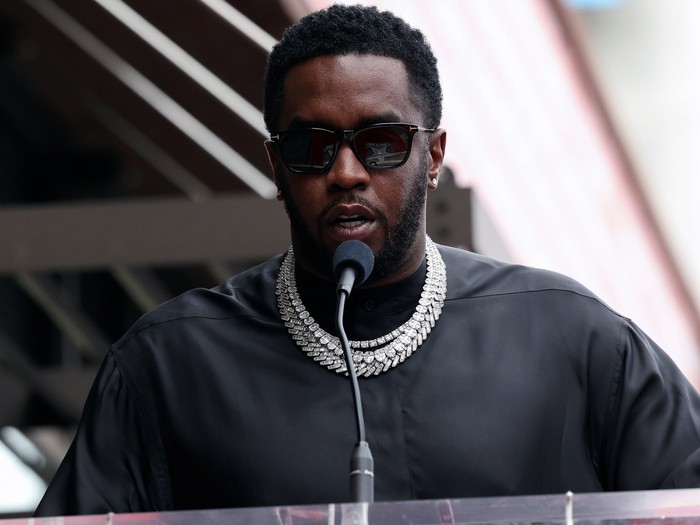
For more than three decades, Sean “Diddy” Combs represented one of hip-hop’s biggest business success stories. Bad Boy Records, fashion, television, spirits and celebrity branding made him far more than a producer or rapper. By 2026, that empire had been replaced in public view by civil litigation, federal convictions, prison and an appeal.
The collapse accelerated in November 2023 when singer Casandra “Cassie” Ventura filed a civil lawsuit accusing Combs of years of abuse and coercion. The case settled the next day without a trial or admission of liability. The speed of the settlement did not end the story: additional accusers filed lawsuits, while Combs broadly denied wrongdoing.
In March 2024, federal agents searched properties connected with Combs. That September, he was arrested in New York and charged with racketeering conspiracy, sex trafficking and transportation to engage in prostitution. He pleaded not guilty and remained detained after judges denied bail.
Another turning point came when hotel surveillance footage from 2016 became public. The video showed Combs assaulting Ventura. He later apologised for the conduct shown. The footage caused institutions, business partners and parts of the music industry to distance themselves from a figure whose brand had depended on influence and celebration.
The federal trial began in May 2025. Prosecutors alleged that Combs used employees and business resources to facilitate abusive conduct. The defense argued that the relationships were consensual and that the government had turned private behaviour into a racketeering case.
The jury delivered a split result on July 2, 2025. Combs was acquitted of racketeering conspiracy and both sex-trafficking counts — the most serious charges. He was convicted on two counts of transporting people across state lines to engage in prostitution under the Mann Act.
That distinction matters. It would be inaccurate to say Combs was convicted of sex trafficking or racketeering. It would also be inaccurate to describe the trial as a complete exoneration, because two federal convictions remained.
In October 2025, Judge Arun Subramanian sentenced Combs to 50 months in federal prison, imposed a $500,000 fine and ordered supervised release afterward. Time already served counted toward the sentence. Numerous civil cases also remained, involving allegations that Combs or his representatives have disputed.
Combs appealed. At a 2026 hearing, appellate judges questioned whether the sentencing court placed too much weight on conduct connected with charges for which the jury had acquitted him. The appeal had not produced a final ruling in the latest reporting used for this article.
The consequences extend beyond a courtroom. Combs’ honorary recognition and business relationships were reassessed, his public standing collapsed and Bad Boy’s legacy became inseparable from questions about power inside the music industry. Artists, former employees and companies have had to decide how to describe work that helped shape modern hip-hop while acknowledging the conduct and evidence now in the public record.
“Downfall” can be an overused celebrity headline. Here it describes a measurable reversal: from billionaire-scale cultural authority and industry control to a federal conviction, imprisonment, extensive litigation and a damaged legacy. The legal story is still active through appeals and civil cases, but the reputation Combs spent decades constructing has already changed permanently.
No comments yet. Start a thoughtful discussion.