
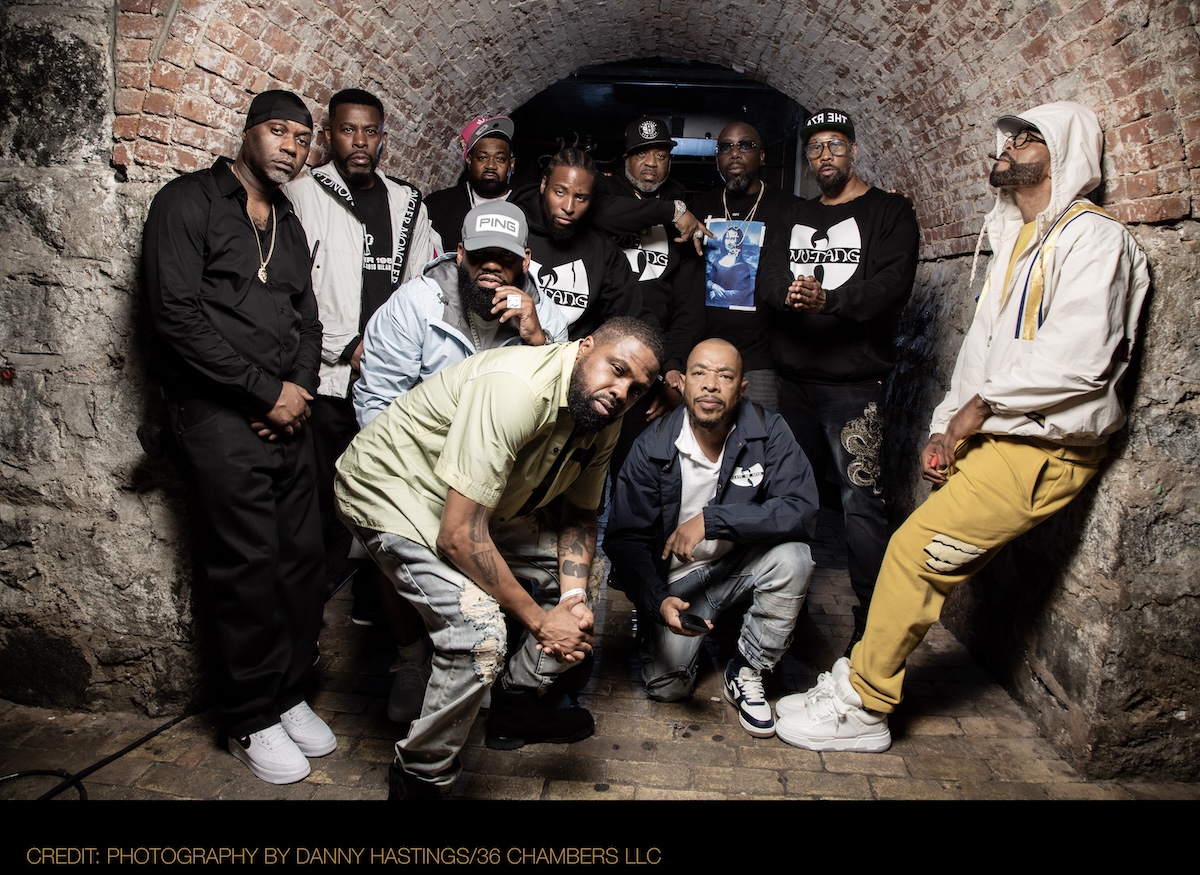
Wu-Tang Forever: The Final Chamber has lasted longer than the phrase “final tour” first appeared to promise. After the original North American farewell run, the group expanded internationally and added further 2026 dates, many with Bone Thugs-n-Harmony. That extension does not automatically make the farewell meaningless. It reveals the size of the audience and the logistical difficulty of assembling one of rap’s largest foundational groups. More importantly, it offers a chance to examine why Wu-Tang’s legacy operates as a system rather than a single catalogue.
The group was designed to create multiple careers
Wu-Tang Clan’s structure always contained a productive contradiction. The members shared a name, mythology and production language, yet individual voices were expected to become stars. RZA’s early strategy allowed solo albums to appear across different labels while feeding attention back toward the collective. That model made the discography unusually wide and sometimes difficult to follow, but it also prevented the group from depending on one front person.
A farewell show has to represent an ecosystem
A conventional legacy set can move through a sequence of obvious hits. Wu-Tang must account for group records, major solo catalogues, affiliate history and the absence of Ol’ Dirty Bastard while giving several MCs meaningful stage time. Young Dirty Bastard’s participation acknowledges family and performance continuity without pretending anyone can replace his father. The best version of the show therefore feels like a rotating live anthology rather than a standard greatest-hits concert.
No comments yet. Start a thoughtful discussion.